Preventive Pet Care Strategies from Prairieville Animal Hospital
Prevailing wisdom in small animal medicine holds that prevention beats prairievilleanimalhospital.com cure, but the real work lies in translating that wisdom into daily routines that owners can actually sustain. At Prairieville Animal Hospital, the emphasis on preventive pet care comes from decades of facing the same questions in clinic: How do we keep a dog from needing a rescue visit after a long summer of hiking? How do we recognize the early signals of a chronic disease before it manifests as an emergency? How do we tailor advice to fit a busy family schedule, a curious cat, or a multi-pet household? The answers are practical, rooted in routine, and adaptable to the rhythms of Prairieville life.
What follows is a grounded look at preventive strategies we rely on when advising families. It reflects the kinds of cases we see, the tradeoffs we navigate, and the small, steady choices that add up to healthier pets over years. There is no single program that fits every animal, but there is a coherent approach: anticipate, monitor, protect, and adjust as life changes.
A practical perspective on prevention begins with the daily reality of pet ownership. Owners juggle work, vacations, school calendars, and ever-changing household routines. A preventive plan that feels novel in the exam room often proves simple to live with in practice. The backbone is a schedule that aligns with veterinary visits, home care, and seasonal needs. The strength of that backbone comes from clear expectations, specific outcomes, and a few reliable rituals that families can count on.
Understanding the basics helps families make sense of what prevention looks like in real life. A well-timed vaccine, for example, is not merely a stamp on a toy poster; it is a carefully calibrated interval that balances immune response with risk. Dental health is a daily subject that shows up in breath and energy, not just in the teeth. Parasite control is a year-round concern in our climate, where ticks and fleas can step into the foreground with a warm morning. Nutrition, exercise, and mental stimulation are not accessories; they are the operating system of wellness, shaping a pet’s vitality across seasons.
The goal of preventive care is not to eradicate all risk but to reduce it in ways that align with a pet’s biology and a family’s lifestyle. We approach prevention as a set of decisions made in collaboration with owners, children in tow, seniors in need of more frequent monitoring, and newly adopted kittens excited by every fluttering leaf. In Prairieville, our advice is anchored in real-world constraints—time, money, space, and the unpredictable nature of living with animals. This article pulls from those conversations to map out a pragmatic, durable plan for pets at every life stage.
Foundations you can lean on
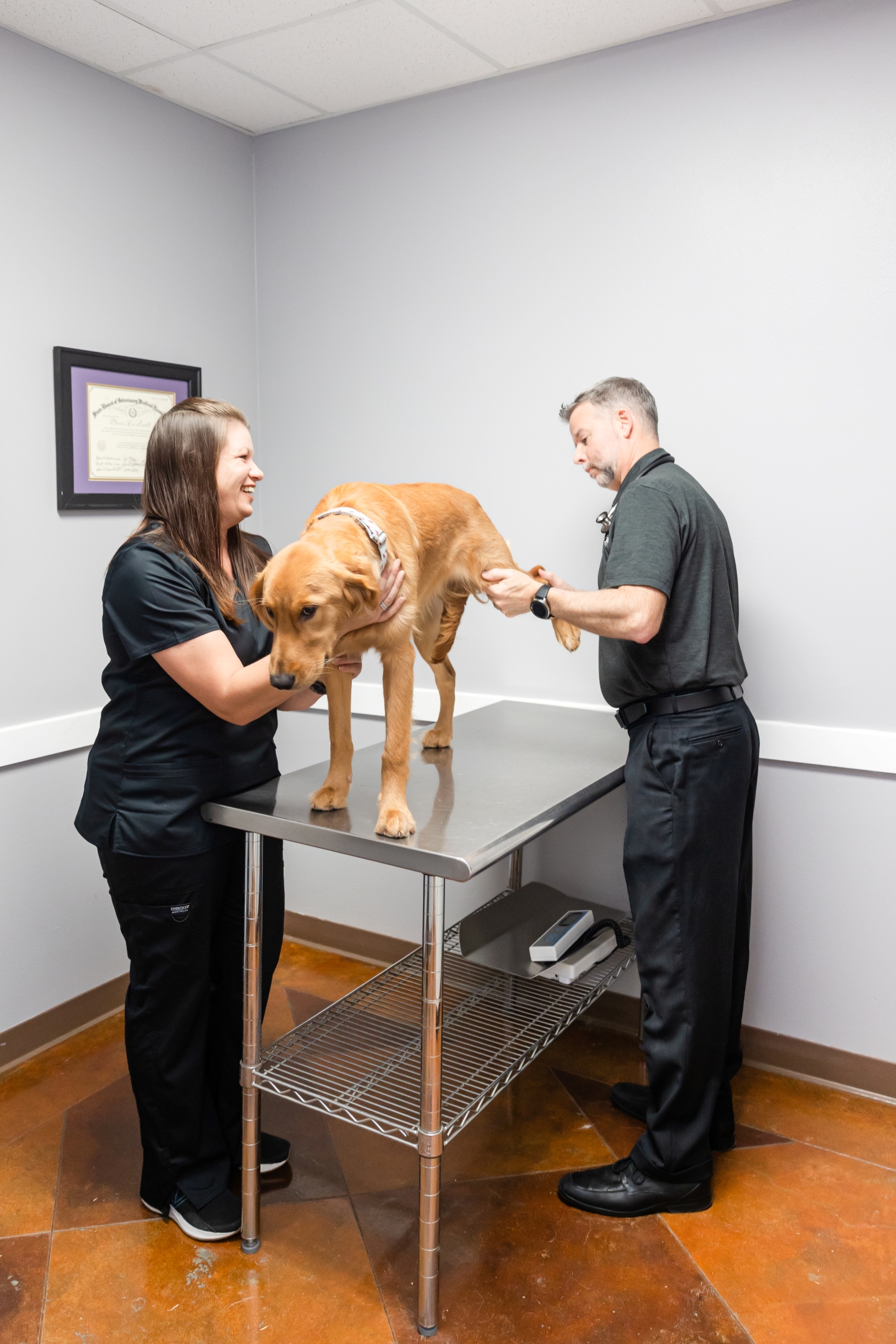
A practical preventive program begins with solid foundations. The first pillar is a baseline assessment that establishes where each animal stands and what risks matter most. A typical visit for a healthy adult dog or cat includes a careful physical examination, a review of vaccination status, a discussion of nutrition and weight management, and a reminder about parasite prevention. This baseline becomes the frame for decisions later in life. It also helps families recognize when something deviates from expected patterns, such as a shift in appetite, energy levels, or potty habits.
Another cornerstone is the vaccination protocol. Vaccines are not a one-size-fits-all solution, but a tailored plan that reflects the pet’s age, exposure risk, existing health conditions, and lifestyle. In Prairieville, we often see dogs that thrive with an annual wellness visit that combines a core vaccine review with a targeted discussion about non-core vaccines depending on risk factors in a given year. For cats, we emphasize a similar approach—core vaccines aligned with parasite prevention and exposure potential. The aim is steady protection without unnecessary interventions. The decision about boosters is a collaborative one, built on data about the pet’s health trajectory and the community’s disease landscape.
Dental care deserves a chapter of its own within preventive care. Dental disease is not just about yellow teeth; it’s connected to systemic health, including heart and kidney function in some cases. We encourage owners to incorporate dental checks into routine exams and to adopt at-home routines that fit their pet’s temperament. A simple, consistent approach beats sporadic, combative brushing. Many pets tolerate brushing when it becomes a calm, predictable part of the daily routine. We also offer professional dental cleanings when indicated, recognizing that this is a point where prevention and treatment meet with a clear cost-benefit calculation for the pet’s long-term welfare.
Nutrition is another practical line in the prevention plan. The right diet supports weight control, coat quality, energy, and general resilience. We aim for clarity in conversations about portion sizes, feeding frequency, and the way treats accumulate over a week. In our experience, a straightforward feeding strategy—measured meals with occasional, planned treats—reduces the kind of obesity-related risks that quietly compound over years. We also consider life stage and medical history. A senior pet, for instance, may benefit from a diet designed for joint support or kidney health, while a growing puppy requires higher energy density and balanced minerals to support bone development.

Parasite prevention is a year-round affair in Prairieville. We discuss a plan that covers intestinal parasites and external parasites alike. Our recommendations vary with pet behavior, exposure, and the local ecosystem. Flea and tick products should be chosen with attention to safety, efficacy, and lifestyle. We balance the convenience of monthly preventive products with the possibility of seasonal adjustments based on climate, yard exposure, and travel plans. The long view here is straightforward: consistent protection reduces the odds of infestations and the downstream complications that often follow.
Exercise and mental enrichment anchor a pet’s physical and emotional health. A preventive plan that includes regular activity reduces the likelihood of obesity, joint problems, and behavior challenges that can escalate into veterinary visits. The exact routine depends on the animal’s temperament and the family’s schedule, but the rule of thumb remains constant: daily movement, with variation to keep things interesting. Short, frequent sessions can be easier to maintain than long, sporadic outings. The goal is a pace that keeps a pet curious, engaged, and comfortable in their own skin.
Finally, preventive care requires a system for monitoring and adjusting as life changes. A new job, a family addition, or a move to a different neighborhood can shift risk profiles and daily routines. Establishing a clear point of contact with Prairieville Animal Hospital, along with a reliable calendar for vaccines, exams, and parasite control, helps keep prevention coherent across upheaval. In practice, this translates to a plan that grows with the animal and remains flexible enough to accommodate travel schedules and changing family needs.
A typical preventive care cadence
The rhythm of preventive care in a busy household is less about grand gestures and more about reliable touchpoints. We often work with clients to build a cadence that feels manageable, not punitive. The following framework has proven effective in our client relationships and in keeping pets out of the emergency corridor.
First, a new patient or newly adopted pet begins with a wellness visit that establishes a baseline. We record weight, body condition score, dental health, and a screen for early signs of disease. For puppies and kittens, this first chapter includes a schedule of vaccines, deworming, and a plan for socialization and environmental enrichment. For adult animals, the focus shifts to reinforcement of core vaccines, parasite prevention, and a candid discussion about nutrition and exercise.
Next comes the annual or biannual wellness exam, depending on risk factors. The exams are more than a quick check; they are a curated review of the pet’s health trajectory. We check body condition, palpate organs, listen to the heart and lungs, and assess joint mobility. We review blood work if indicated by age or risk factors, such as older pets or those with chronic conditions. In some cases, we couple these visits with a dental assessment to track progress on oral health.
Alongside the clinical checks, we maintain a steady program for parasite prevention. The plan includes monthly topical or oral products directed at fleas, ticks, and intestinal parasites. We tailor the product to the pet’s lifestyle and the family’s tolerance for administration. If a pet travels or spends extended time outdoors, we adjust the schedule to ensure coverage matches risk.
Vaccination remains a living conversation, not a box to check. We revisit vaccine history at each visit and align boosters with the pet’s age, exposure risk, and health status. The conversation also covers potential side effects and how to recognize them. The outcome is a vaccination plan that protects without overwhelming the pet’s immune system or the family with logistical burdens.
Dental care is threaded through the year, not treated as a separate event. We encourage owners to maintain daily brushing when possible, supplemented by dental chews or water additives if brushing proves challenging. Regular dental cleanings are scheduled when signs indicate a professional cleaning would benefit the pet’s health.
Owner education is an ongoing component of prevention. We share practical tips on weight management, safe treats, and environmental enrichment. We discuss the signs that warrant a veterinary visit, such as changes in appetite, energy, appetite, or elimination patterns. In this way, prevention becomes a shared language built on observation and timely action.
Two practical lists to anchor your prevention plan
- A: Routine in-clinic checks you can count on
- Baseline health assessment at the first visit and periodic rechecks
- Tailored vaccine plan aligned with risk and life stage
- Regular dental screening and guidance on home care
- Purposeful parasite prevention that matches exposure and travel
- Clear discussions about nutrition, weight, and activity with measurable goals
- B: At-home prevention you can sustain
- Consistent feeding schedule with measured portions and limited high-calorie treats
- Daily dental care, even if it means starting with short, accommodating sessions
- Regular, moderate exercise routines tailored to your pet’s needs and energy
- Routine monitoring of weight, coat condition, and energy levels
- Prompt veterinary follow-up for any changes in appetite, mood, or behavior
Senior pets and the art of anticipatory care
As pets age, the landscape of health shifts. The goal of senior pet care is to extend quality life by catching subtle signals early and adapting the routine to maintain independence and comfort. We often see a transition point around seven to ten years, depending on species and breed. By then, metabolic changes begin to quietly influence how a pet metabolizes nutrients and processes medications. A proactive plan looks like more regular health screens, perhaps every six months, and a sharpened eye for early signs of mobility issues, dental decline, or vision changes.
Pain management becomes a more prominent topic in senior pets, even when the animal appears comfortable. Arthritis, dental disease, and periodontal degeneration can erode activity gradually, which in turn reduces calorie burn and can set off a domino effect of weight gain or loss. We encourage families to partner with us to identify nonpharmacologic strategies—such as supportive bedding, low-impact exercise, and environmental modifications—before resorting to medications. When medications are appropriate, the aim is to use the lowest effective dose with careful monitoring for adverse effects. This is where open, ongoing communication makes prevention more precise and less disruptive to daily life.
The role of behavioral health in prevention
Prevention extends beyond physical health to mental and behavioral well-being. In busy households, stress and boredom can manifest as destructive chewing, house-soiling, or increased vocalization. Proactive steps include enrichment activities, consistent routines, and positive reinforcement training. For puppies and kittens, early socialization reduces fear-based behaviors that later complicate veterinary visits. For anxious or reactive pets, gradual exposure protocols and, in some cases, veterinary-guided behavior modification can improve quality of life and safety for the entire household.
We also recognize that environmental factors matter. Safe spaces, escape-proof crates or gates, and appropriate mental stimulation routines are part of preventive care that reduces accident risk and improves compliance with medical plans. A practical takeaway is to view the home as a care environment, not just a shelter. Small adjustments—like securing cables and providing comfortable resting places—can pay off in reduced stress and easier preventive care.
The clinician’s perspective: communicating prevention without overwhelming families
A persistent theme in our work is balancing clinical rigor with the realities of day-to-day life. A well-crafted prevention plan is not a long list of tasks that owners fear completing; it is a concise framework that fits into a calendar, a grocery list, and a vet visit schedule. We aim to be precise about what needs doing, when it should happen, and why it matters. The discussion about prevention is then anchored by the pet’s unique story: breed predispositions, health history, and the family’s goals for their companion.
When a plan requires investment, we translate the value into practical terms. Preventive care reduces the likelihood of urgent care visits, which in many cases carry higher costs and more anxiety for the pet. It also identifies problems early when treatment is more straightforward and successful. A common moment of clarity comes when a family realizes that a routine dental cleaning is far less costly than months of antibiotic therapy for a dental-related infection or the complications of undetected heart disease.
Edge cases and practical constraints
Every plan meets friction at some point. Some families travel frequently, which makes monthly medications challenging to administer consistently. Others have multiple pets with conflicting schedules or limited access to fresh water during hot months. In these cases, we work toward scalable solutions. We might recommend long-acting parasite preventives, seek calmer times for medication administration, or help coordinate a multi-pet vaccination plan that minimizes clinic visits while maintaining protection.
We also encounter pets with chronic illnesses that alter the prevention landscape. A dog with early kidney disease, for example, will require adjustments to diet and possibly a modified vaccination schedule. A cat with chronic kidney disease may benefit from tailored weight management strategies and more frequent monitoring. In such situations, prevention becomes a collaborative, ongoing process rather than a static checklist. We adapt recommendations based on lab results, imaging findings, and the family’s capacity to maintain a routine.
The value of Prairieville’s approach to preventive pet care
What sets Prairieville Animal Hospital apart in the preventive care arena is the integration of clinical rigor with living-room practicality. We are not a one-size-fits-all clinic; we are a resource for families who want their animals to thrive at home and in the clinic. Our guidance emphasizes evidence-based medicine while acknowledging the constraints of everyday life. We present options with honest cost-benefit discussions, offer flexible scheduling, and follow up to adjust plans as needed. This approach translates into fewer emergency visits, steadier weight management, and more predictable energy levels in pets.
On the ground, the results speak for themselves. Families report calmer pets at the vet’s office, fewer unexpected illnesses, and a sense that prevention is a living, breathing strategy rather than a distant objective. The real-world impact shows up in small but meaningful ways: a dog that can keep up with family hikes, a cat that maintains appetite and playfulness into its senior years, a household that navigates travel with a plan rather than surprise veterinary bills.
Practical considerations for Prairieville households
If you are reading this from a Prairieville vantage point, you may recognize the cadence of seasonal changes into preventive care. The region’s climate, home layouts, and outdoor activities shape how we tailor recommendations. In spring, the focus often shifts toward parasite exposure as animals emerge from indoor confinement. In summer, cooling strategies and hydration assume greater importance, alongside a reminder about heartworm prevention for dogs that have access to outdoor spaces. Autumn brings the need to adjust feeding routines around hunting season or family travel. Winter prompts a review of indoor environment safety and the potential for changes in exercise routines due to cold temperatures or inclement weather.
For the boarding and day care environment, preventive care takes on another dimension. Pets that stay with us for short periods still benefit from a consistent vaccination status, parasite prevention, and a plan for dental care or mobility aids if needed. We emphasize continuity of care so that temporary stays do not interrupt the animal’s preventive trajectory. If families are planning vacations, we discuss how to prepare the pet for boarding with a preventive care checklist that minimizes stress and disruption.
A final note on partnerships and ongoing learning
Preventive care is not a destination but a path that evolves with science, technology, and the animals we serve. Prairieville Animal Hospital remains committed to partnering with families to refine our approach as new evidence becomes available and as each pet’s life unfolds. We invite questions, and we value the ongoing dialogue that helps us translate clinical insights into practical routines.
The core takeaway for families is straightforward: prevention works best when it is predictable, affordable, and tailored to the animal. The human side matters as much as the medical one. The more predictable a routine, the higher the likelihood that it becomes a sustainable habit. The more affordable a plan, the more likely it is that families will stick with it over the long term. And the more we tailor our advice to an individual pet’s life, the more confident families become in their ability to provide enduring care.
If you are curious about how this translates into day-to-day life for your pet, consider the following steps to begin integrating preventive care into your household routine.
- Schedule a wellness visit for your new or established pet and request a review of vaccines, nutrition, and parasite prevention.
- Create a simple home care routine that includes dental care and a daily movement goal that fits your pet’s energy level.
- Track weight, appetite, and energy changes for a few weeks and bring notes to your next appointment.
- Discuss senior pet needs early and plan more frequent monitoring if your pet shows one or two warning signs.
- Prepare for seasonal changes by aligning parasite prevention with outdoor exposure and travel plans.
These steps are not a checklist to complete once and forget. They are a starting point for a durable, evolving partnership with Prairieville Animal Hospital, designed to keep your pet healthier, happier, and more resilient through every season. In practice, prevention is less about perfect execution than about consistent, thoughtful decisions that align with a family’s capabilities and a pet’s needs. When that alignment holds, pets stay active, curious, and engaged with the world around them—errors of omission minimized, and wellness kept within reach.