Exploring Prairieville Animal HospitalVet Clinic Services for Puppies
The moment a new puppy enters the household, the calendar seems to pivot around vaccines, checkups, and the unpredictable rhythm of a growing body. Prairieville Animal Hospital has earned a reputation among local families for a calm, practical approach to care that matches the boarding kennels prairieville la real pace of puppyhood. This is not a feature list designed to dazzle with jargon. It is a map drawn from years of clinic life, showing how a thoughtful veterinary team translates medical knowledge into reliable routines that keep a young animal healthy and a household confident.
What makes a veterinary team stand out when a puppy arrives is not a single grand gesture but a sequence of small, consistent choices. It begins with the first wellness exam, continues through vaccinations, nutrition guidance, and behavioral observations, and extends into the careful monitoring of growth, development, and occasional injuries. The team at Prairieville Animal Hospital brings an understanding rooted in everyday practice—from the moment a pup explores the yard, to the anxious drive home after a spay or neuter, to the quiet evening when a curious nose must be nursed through a minor digestive upset. Each scenario becomes part of a dependable routine that emphasizes prevention as much as treatment, and partnership with the family as much as clinical skill.
The puppy years are a period of rapid change. Bones lengthen, teeth erupt, and the social world widens as training progresses. A veterinary team that recognizes this dynamic can tailor care to the individual dog, no matter the breed or the energy level. Prairieville Animal Hospital has learned to balance evidence based medicine with practical wisdom gathered from countless visits. The result is care that respects the puppy’s perspective while guiding the family through informed decisions, from scheduling to budget to behavioral expectations.
Understanding the local setting helps put the practice into context. Prairieville is a community with hills and parks, sidewalks and dog-friendly routes, where many households rotate between work schedules and family routines. A veterinary clinic that fits into that rhythm curates convenient appointment windows, clear communication, and a willingness to discuss options that work in real life, not just in theory. The clinic’s staff members bring the same breath of practicality to every encounter, turning medical terms into plain language and translating lab results into tangible steps for home care.
Preparing for a Puppy Visit
A trip to the veterinarian can feel like a first big milestone for a puppy and for the family. The best approach is to arrive with intention and a sense of shared purpose. Before the appointment, families often find it useful to gather a few pieces of information that help the veterinary team understand the pup’s background quickly. A record of any prior vaccines, if available, can be especially helpful, even if the puppy is new to Prairieville Animal Hospital. Details about the home environment, including whether other pets are present, whether there are stairs or a multi story layout, and any known exposures to other dogs can influence the plan.
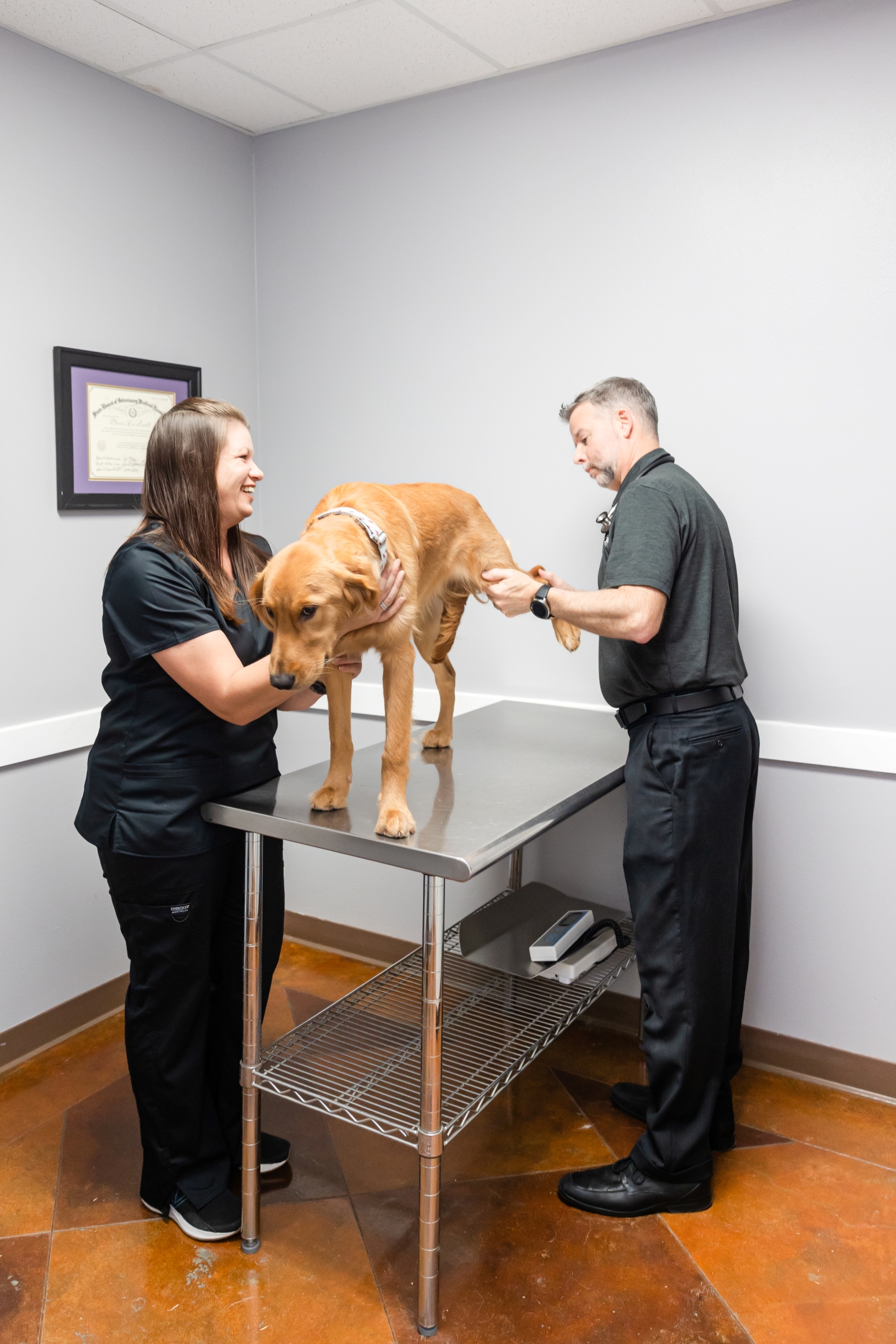
During the visit at Prairieville Animal Hospital, the clinical staff will typically perform a comprehensive physical examination. A puppy checkup is more than a quick listen to the heart and lungs. It is a careful assessment of development, weight, coat quality, dental progress, and the general energy level. The exam also provides a good moment to discuss growth milestones and what to expect in the coming weeks. If a vaccination schedule needs adjustment due to age or prior exposure, the veterinarian will explain why and propose a practical path forward. Every conversation aims to be concrete, with clear recommendations that families can act on immediately.
The first exam often includes a discussion about preventive care beyond vaccines. A practical plan covers parasite control, dental care, and nutrition. Families leave with a checklist that feels doable, not overwhelming. The puppy’s diet is central to this stage; it is less about chasing the latest trend and more about matching the dog’s energy needs, stomach tolerance, and development stage. Prairieville Animal Hospital emphasizes feeding guidelines that are straightforward and adaptable, allowing a new owner to observe how the pup responds as growth continues.
Vaccination and Preventive Care for Puppies
Vaccination is a cornerstone of puppy health, but its success depends on timing, interpretation of risk, and a plan that anticipates the dog’s future lifestyle. Prairieville Animal Hospital follows established vaccination protocols while remaining attentive to the individual dog in front of them. The process is explained step by step to families, with a focus on what a given vaccine does and how side effects are managed if they occur. Most puppies tolerate vaccines well, but a few may show mild soreness at the injection site or a brief period of fussiness. Those reactions are typically short lived and manageable with the guidance of the veterinary team.
A practical vaccination strategy balances protection with the puppy’s daily life. At the clinic, staff often discuss a timeline that includes core vaccines, boosters, and the possibility of region specific recommendations. Core vaccines commonly cover diseases that pose a substantial risk across many settings, and the team helps families understand why some vaccines are given together in a single visit while others are spaced out. The goal is consistent protection without unnecessary exposure to antibodies or vaccines beyond what is needed for the dog’s environment.
Beyond vaccines, Prairieville Animal Hospital emphasizes parasite prevention. Deworming, flea and tick control, and heartworm prevention are routinely addressed in early visits and then reviewed as the puppy grows. The clinic tends to encourage a three to six month window for preventive care early on, with checks that ensure the plan remains appropriate as the dog becomes more active and exposed to different outdoor environments.
Wellness Visits: A Proactive Approach
Wellness visits for puppies are not simply about responding to illness. They are opportunities to track growth, assess the immune system, and catch issues before they become uncomfortable or expensive to treat. The veterinarian’s approach blends careful observation with a touch of detective work. A puppy’s temperament, appetite, and energy level often reveal as much about health as blood tests or physical measurements. The clinical team uses this information to guide decisions about nutrition, environmental enrichment, and exercise.
Nutrition sits at the heart of wellness. Puppies require a balance of calories, protein, minerals, and fats to support bone growth and a robust immune system. Prairieville Animal Hospital often discusses portions, feeding frequency, and the benefits of consistent mealtimes with families. The advice is practical, with attention to how a household’s schedule translates into feeding routines. For some dogs, a scheduled free choice plan may work better; for others, fixed portions tied to a schedule are the more reliable approach. The goal is to support steady growth and avoid sudden weight fluctuations that can lead to longer term health concerns.

Behavioral development is another pillar of wellness that sometimes gets overlooked in the rush of vaccines. Puppies begin to form habits that carry into adulthood, and early guidance can reduce frustration for everyone involved. The veterinary team shares age appropriate pointers on house training, crate acclimation, and socialization. When a family asks about how to introduce a new dog to a resident cat, the team offers a step by step plan grounded in patience and consistency. The emphasis is on building confidence in the puppy while preserving harmony in the household.
Dental health is an area that often gets a quiet nod, until a problem becomes obvious. Puppy teeth emerge in stages, and the gums can be tender as the adult teeth come in. A simple home routine that Prairieville Animal Hospital supports involves brushing with a dog friendly toothpaste and offering chew toys that promote healthy chewing. Dental checks during wellness visits help identify early signs of tartar buildup or gingival irritation. In all cases, the message is concrete, so families know what to look for and when to schedule a cleaning or more involved care if necessary.
Grooming and socialization are practical aspects of care that influence how a puppy experiences the world. While not medical in isolation, they contribute to overall health. A calm grooming routine reduces stress and helps the dog accept handling, a factor that can ease future medical procedures. Socialization steps are framed with safety in mind, prioritizing positive experiences with people and other dogs while avoiding overwhelming environments. Prairieville Animal Hospital does not simply diagnose problems; they help families cultivate routines that maintain a dog’s curiosity and well being.
Common Puppy Ailments and When to Seek Help
Puppies, by nature, are curious explorers. Their boundless energy can mask discomfort, and a minor sting from a random plant or a sudden tummy upset can become a bigger concern if it persists. Prairieville Animal Hospital provides a framework for recognizing when to seek care and what to expect during the evaluation. A practical approach helps families avoid unnecessary trips to the clinic while ensuring timely attention when symptoms indicate a deeper issue.
Gastrointestinal upset is one of the most frequent reasons families contact the clinic. Young dogs can react to new foods, unfamiliar treats, or abrupt dietary changes. The care team starts with a careful history, asking about recent meals and any potential access to spoiled foods. If vomiting or diarrhea lasts beyond a short episode, or if dehydration signs appear, a visit to the clinic becomes the prudent choice. The examination will assess hydration status, abdominal palpation where appropriate, and, if needed, a plan that may include supportive care and dietary adjustments.
Ear infections are another concern in puppies, especially those with floppy ears or those who spend time outdoors. A routine visit often includes a check of ear canals, looking for redness, discharge, or odor, which can indicate irritation or infection. Treatment may involve cleaning solutions and topical medications, with a clear home care plan to prevent recurrence. The goal is not only to treat the current problem but to identify and modify contributing factors such as moisture retention after baths or swimming.
Skin conditions reflect environmental interactions and genetics. Puppies can develop itchy patches from allergies, parasites, or simple irritants in the environment. A vet at Prairieville Animal Hospital will inspect the skin and coat, possibly recommending a change in flea prevention products, a medicated shampoo, or a topical treatment for inflammation. When appropriate, they may suggest a short diet trial to differentiate food related triggers from environmental irritants. The approach is measured, with an emphasis on minimizing discomfort and avoiding unnecessary medication.
Injuries and accidents happen, even to the most careful puppies. A sudden limp after a playful tumble, a cut from a rough surface, or a suspected bite wound deserve inspection. The team prioritizes pain management and a rapid assessment of whether imaging or suturing is required. They walk families through the options, the expected healing timeline, and the signs that would require a return visit. The practice’s philosophy emphasizes practical, measured care, ensuring the pup recovers while the family stays informed without being overwhelmed.
Vaccination Clinics and On Site Procedures
The clinic’s on site capabilities enable a convenient, comprehensive experience. Prairieville Animal Hospital maintains a well staffed vaccination clinic that supports timely immunization without forcing families to travel to multiple locations. The process is designed to be efficient, with a calm environment that minimizes stress for the pup. The team ensures that vaccines are administered in a manner that reduces discomfort, often employing techniques learned through years of practice to keep young dogs relaxed. A brief observation window after vaccination helps catch any mild adverse reactions early, which can be addressed promptly by a familiar team member who already knows the dog’s history.
Beyond vaccines, the clinic can perform routine screenings, microchip placement, and temperature checks essential to a thorough puppy assessment. Microchips serve as a reliable safety net for lost pets, especially for dogs who are exploring new spaces during the training and socialization phase. The clinic explains the long term value of microchips in a straightforward way, and families appreciate the sense of security that this service provides.
Surgery, Anesthesia, and Recovery for Puppies
From time to time a surgical procedure becomes necessary for a puppy, whether it is a routine spay or a more involved repair. Prairieville Animal Hospital maintains a careful, well supervised surgical program, with a focus on safety and comfort. The anesthesia plan is tailored to the puppy’s age, weight, and health status, with pre operative assessments designed to identify potential risk factors. The team discusses the plan with families, explaining what to expect during and after the procedure. The recovery period is documented and structured, with clear instructions for home care that support healing and minimize stress for the dog.
Parents often appreciate the transparency around risks and recovery needs. The clinic emphasizes that most puppy surgeries have straightforward recoveries when families follow post operative instructions closely. Pain management is an essential component of the care, and the veterinarians work with families to ensure the pup experiences minimal discomfort after a procedure. The human factor matters here: the reassurance of a familiar face, the quiet confidence that comes from a well run operating room, and the honest guidance about what the follow up will entail.
Puppy Socialization, Training, and Community Resources
Care at Prairieville Animal Hospital extends beyond the exam table and the surgical suite. The team encourages families to view veterinary care as part of a broader practice that supports the puppy’s social integration. Socialization is a dynamic process that benefits from structured experiences and careful supervision. The clinic offers practical advice on how to introduce the puppy to new environments, people, and other dogs in a way that minimizes fear and maximizes confidence.
Training and behavior support have a place within a veterinary relationship. When a puppy shows signs of stress during veterinary handling, the staff can suggest strategies to make visits more comfortable. For example, gradual exposure to handling, the use of treats to create positive associations, and short, frequent visits can all play a role in reducing anxiety. The result is a puppy who learns to view veterinary care as a normal, non threatening part of life, rather than a rare event to dread.
Education also flows through community engagement. Prairieville Animal Hospital often shares practical, science based guidance on topics like feeding schedules, parasite prevention, and the signs of common illnesses that families can monitor at home. The emphasis is on practical knowledge, not on alarmist warnings. The clinic aims to empower families to act confidently when something seems off, while recognizing when professional assessment is necessary.
Two Practical Guides for New Puppy Families
To keep the journey manageable, families can benefit from a couple of compact guides that reflect the clinic’s practical philosophy. The first focuses on a simple vaccination and wellness calendar, a durable reference that helps families stay on track without feeling overwhelmed. The second guide explores everyday home care routines, including feeding, dental care, and basic safety measures for early exploration and play.
The vaccination and wellness calendar offers a clear sequence—what to vaccinate, at what age, and how boosters align with the puppy’s growth. It also notes routine wellness visits and when to plan for a dental check. The calendar is designed to be a living document that families can adjust as the dog matures, but it provides a dependable baseline that reduces the guesswork many new owners face.
The home care guide keeps expectations grounded. It covers consistent feeding practices, a straightforward dental routine, how to handle minor scrapes and common grooming tasks, and a practical approach to weathering the common puppy calender. The guidance is specific and actionable, rather than theoretical, and it reflects the clinic’s preference for real world application.
Choosing Prairieville Animal Hospital for Your Puppy
When families choose Prairieville Animal Hospital, they often note the sense of continuity that grows from repeated visits and familiar staff. That continuity matters because it builds a relationship of trust. A good veterinary practice should not only diagnose and treat, but also guide families through the daily tasks that keep a puppy thriving. The clinic’s structure supports this approach: well integrated scheduling, a calm clinic environment, and a team that treats each dog as an individual rather than a case with a number.
A practical, no fuss approach to medical care helps families allocate time and budget without feeling overwhelmed. The clinic’s staff members tend to speak in plain language, laying out the reasoning behind each recommendation and inviting questions. They also bring an honest sense of the constraints that come with a real world schedule, be it a longer wait for a surgical consult or the need to adjust a vaccination plan when a family travels or changes work hours.
Two Lists to Aid Decision Making
If you are navigating the early days with a new puppy, here are two concise, practical lists to keep on hand. These reflect common needs that arise during the puppy years and the ways Prairieville Animal Hospital tends to address them.
Common puppy vaccines and timing
- Core vaccines scheduled in the early weeks and months of life
- Booster intervals adjusted according to risk and exposure
- Regional recommendations considered in plan design
- On site administration that minimizes stress during visits
- Clear guidance on potential side effects and when to seek help
Important questions to ask at the first visit
- How does the vaccination schedule fit with our family calendar, travel plans, and training routines
- What specific parasite prevention products are recommended for our environment
- How should we adjust feeding as the puppy grows and becomes more energetic
- What signs should prompt a return visit between wellness checks
- What home care practices do you recommend for dental and coat health
Practicality and empathy converge in a good veterinary practice. Prairieville Animal Hospital demonstrates that convergence in the everyday details—the quiet confidence during a procedure, the careful attention to a frightened puppy, the patience in explaining why a plan matters. This is not about dramatic moments alone; it is about the steady, reliable work that keeps a growing dog thriving and a family feeling supported.
Building a Long Term Relationship
A healthy puppy is not a solitary achievement; it is the start of a relationship. The clinic’s philosophy emphasizes building trust over time, so the family feels confident showing up for both routine care and unexpected concerns. The team recognizes that each visit shapes the puppy’s perception of health care and can influence how the dog handles future medical needs. By maintaining a consistent approach, Prairieville Animal Hospital helps to ensure that preventive care becomes a natural, unforced part of life rather than a set of infrequent, anxiety provoking events.
The practice’s location, staff, and culture contribute to a sense of steadiness that families can rely on. The clinic’s communications are direct and timely, with reminders that are informative rather than punitive. The emphasis on education means families feel empowered to participate in the care process, rather than merely following orders. When a dog is clearly thriving, the clinic uses the moment to reinforce the value of ongoing preventive work and early detection.
Real World Examples: Insights from Years in Practice
A few episodes from day to day illustrate how a veterinary team translates theory into action. In one case, a family adopted a small terrier mix with a high energy level and a sensitive stomach. The team collaborated with the owner to adjust the puppy’s diet gradually, introduced a routine for feeding and potty training, and kept the vaccines on schedule with careful monitoring. The outcome was a confident, healthy dog and a family that felt empowered to manage growth and routine care. In another instance, a liter of puppies born to a healthy mother required a plan that balanced rapid growth with weight management. The staff provided a shared resource for the family to track each pup’s activity, eating patterns, and weight across visits, ensuring no dog in the litter fell behind on growth targets.
These narratives reflect a framework that values clarity, empathy, and practical action. They show how a clinic can be a steady partner across the puppy years, not just a place to treat illnesses. The experiences also highlight the importance of continuity. When a dog is known by name, when staff remember the preferences of the owner, and when the clinic can provide consistent advice across visits, trust strengthens. A confident family is more likely to remain engaged with preventive care, and the puppy benefits from that ongoing partnership.
Closing Thoughts: A Practical Path Forward
For families contemplating Prairieville Animal Hospital for a new puppy, the pathway is straightforward. Start with a wellness visit that sets the tone for preventive care, then align vaccination timing with lifestyle and risk. Build a home routine around the clinic’s practical guidance on nutrition, dental care, and training. When issues arise, you will have a team that approaches them with calm efficiency, clear explanations, and a plan that respects both the dog and the family’s life.
The puppy years pass quickly, and each stage brings new questions. The value of a veterinary partner who is patient, steady, and honest becomes clear in those moments when you need guidance without pressure. Prairieville Animal Hospital embodies that kind of partnership, blending medical expertise with a grounded, everyday approach to care. In the end, the goal is a healthy puppy, a confident owner, and a clinic that feels like a reliable neighbor—someone who will be there at the door with a welcoming hello and a practical plan when it matters most.